


Оформите заявку на сайте, мы свяжемся с вами в ближайшее
время и ответим на все интересующие вопросы.
However, installation professionals do not rush to believe ambitious claims. What inaccuracies are exist in the software calculations? And why does fuel calibration win in the battle for objectivity?
"Dry" calibration is the calculation of data by software based on the specified length of the sensor.
+ No "dirty" work of calibrating the fuel level sensor.
+ Convenience.
+ Speed.
- Reduced accuracy due to fuel parameter fluctuations.
- Does not account for fuel parameter variations.
Fuel calibration allows for changes in fuel parameters (e.g., during transitional seasonal periods).
+ Data objectivity.
+ Ability to account for changing fuel characteristics.
- Time-consuming.
- Requires preparatory work in the fuel environment.
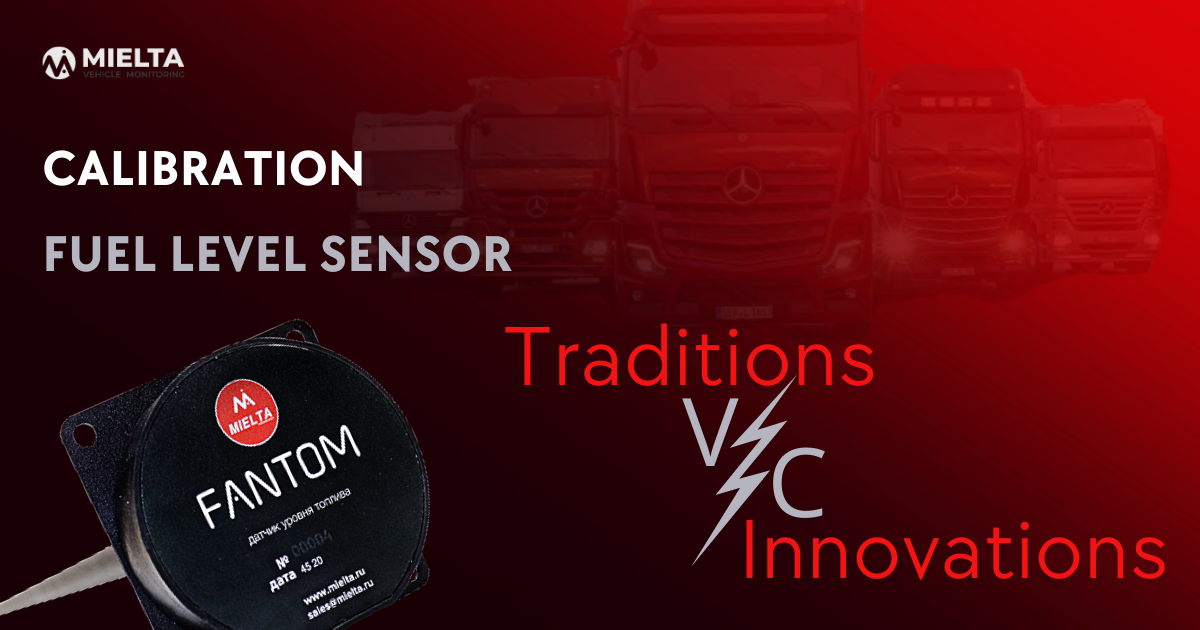
When choosing between the reliability of traditions and the mobility of innovations, it is important to consider not only accuracy requirements but also the location, geographical position, and operational characteristics of the vehicle. In this case, saving resources and installation time for the fuel level sensor will not come at the expense of reputation.
Important: The advantages of convenient sensor installation are not always comparable to the losses caused by inaccuracies during operation.